- In 2026, the euro is expected to grow modestly, while the yen is the favourite.
- The main outsider is the franc, while the Fed may help the dollar.
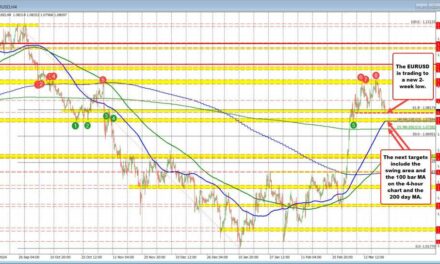
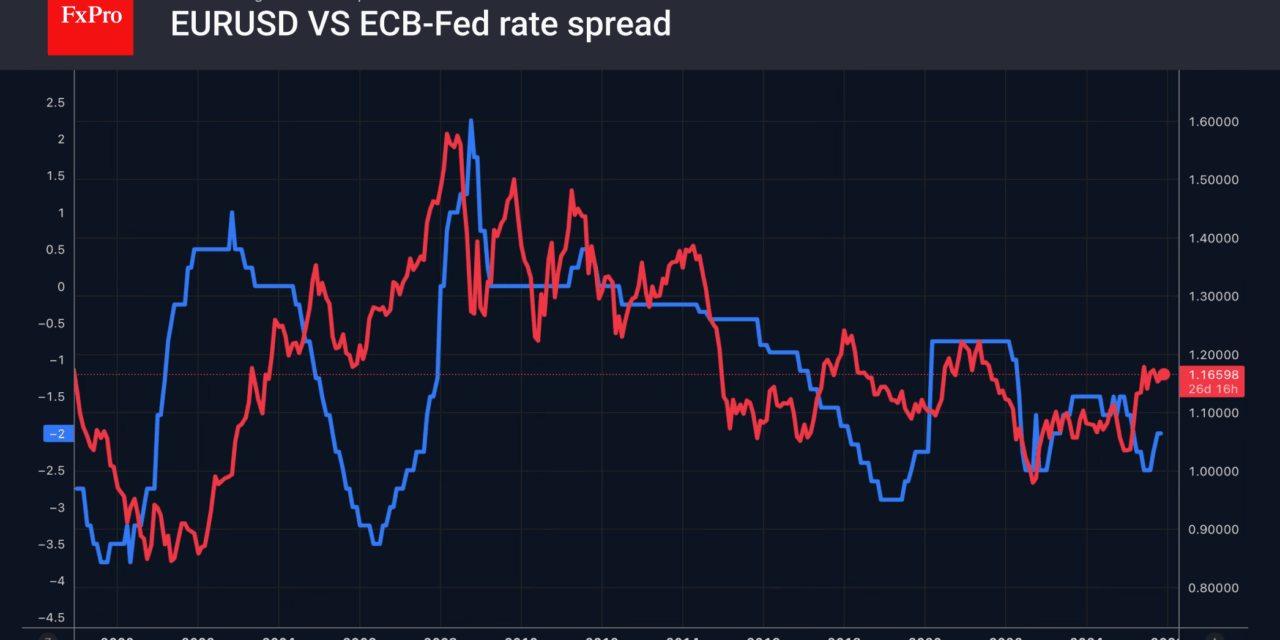
Has the euro grown too eagerly? The EURUSD rally was driven by accelerating European inflation and business activity, as well as confidence that the ECB’s rate-cutting cycle was nearing its end, a belief in peace in Ukraine, and expectations of a Fed rate cut. However, political problems in Germany and the growing likelihood of a pause in US rate cuts in January have slowed down the main currency pair.
Reuters experts see limited growth potential. They forecast the EURUSD to rise to 1.17, 1.19 and 1.2 in one, three and 12 months. Moreover, the dollar’s growth in the short term is now considered possible by around 30% of respondents compared to 6% a month earlier.
The main factor in the growth of EURUSD since the end of the year has been the reversal in expectations for the key rate in December. They have gone from less than a 30% probability immediately after the publication of the minutes of the October FOMC meeting to almost 90% now.
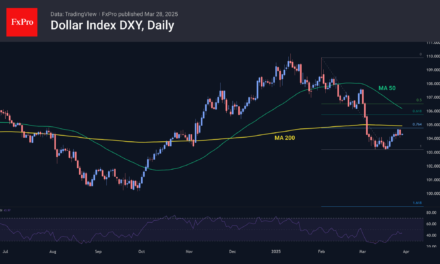
Investors seem to have forgotten about the ‘hawks.’ But the need for compromise for Jerome Powell opens up the potential for the US dollar to strengthen. Another DXY growth impulse is reasonably possible after the rate cuts in September and October.
Reuters experts consider the Japanese yen to be the main favourite, and the Swiss franc to be the outsider. Experts expect the USDJPY to fall by 7.5% in a year due to divergence in monetary policy. The futures market sees a 90% probability of an overnight rate hike on 19 December to 0.75%, the highest since 1995. Bloomberg insiders claim that Kazuo Ueda will signal a continuation of the normalisation cycle if economic forecasts are realised.
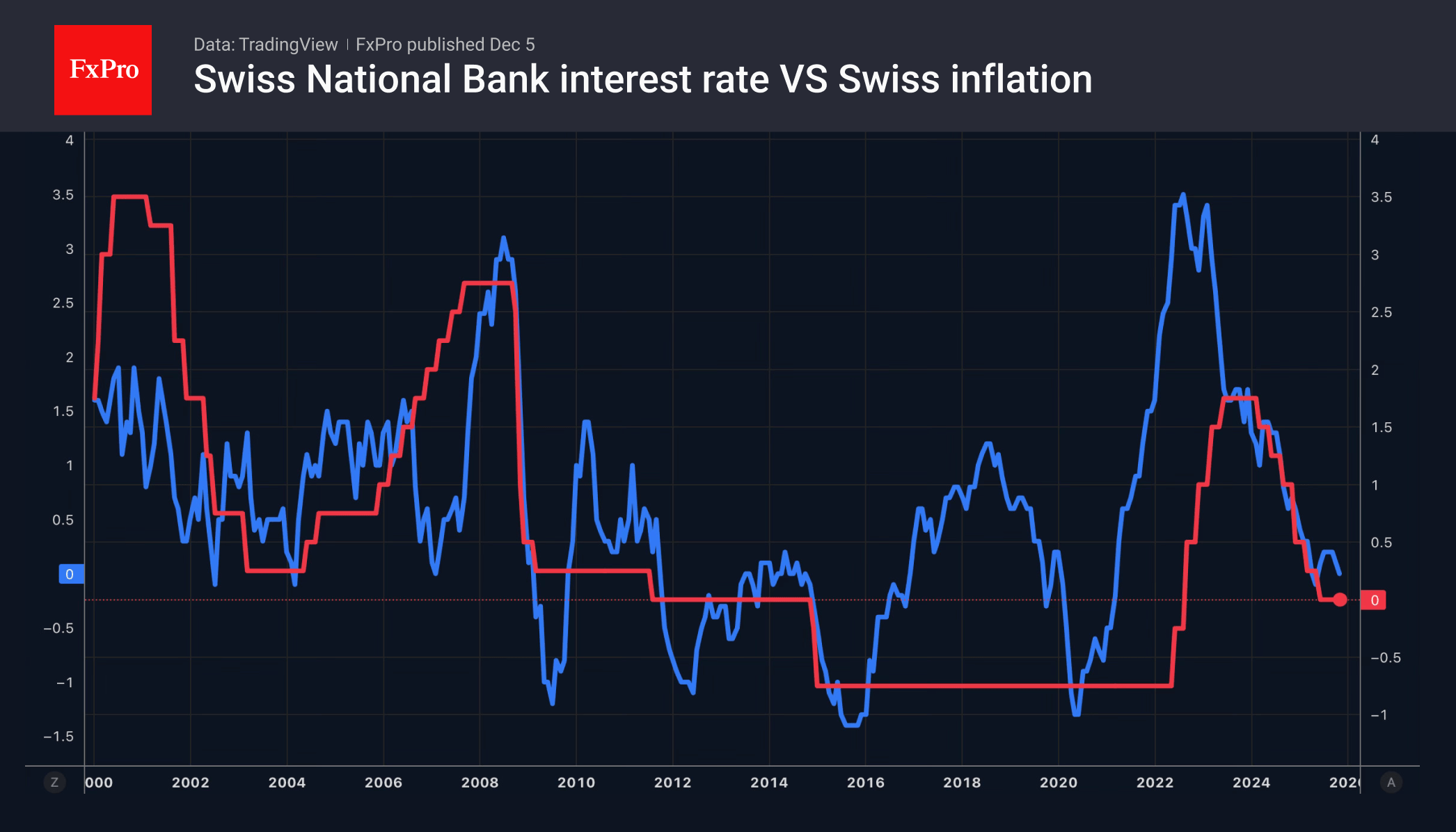
The unexpected reluctance of consumer prices in Switzerland to rise in November is putting pressure on the National Bank, as is the slowdown in core inflation to its lowest level since August 2021. The SNB has previously stated that it would like to avoid a return to negative interest rates. Still, the official forecast of 0.4% CPI growth in the fourth quarter is unlikely to materialise. As a result, the chances of a return to negative interest rates are increasing, putting pressure on the franc.
The FxPro Analyst Team