🟢 The US dollar is gaining momentum as rising oil prices and climbing Treasury yields reshape the macro landscape. Higher energy costs are fueling inflation risks, forcing markets to rethink expectations for Federal Reserve rate cuts.
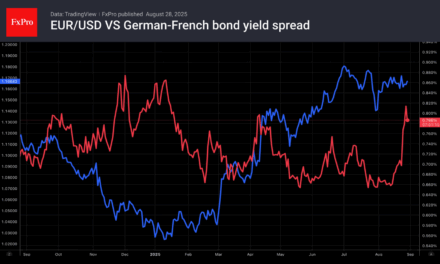
📈 According to Federal Reserve research, a 10% jump in crude oil prices could lift inflation by 0.15 percentage points next year. With Brent and WTI pushing higher, traders have shifted expectations for the first Fed rate cut from June to July, sending EURUSD lower.
🛢️ Energy markets are once again in focus. The US, now a net energy exporter, stands to benefit from elevated oil and gas prices linked to escalating tensions in the Middle East. In contrast, Europe remains heavily dependent on energy imports, increasing pressure on the euro.
🌍 If the Middle East conflict drags on and oil supply tightens further, Brent could surge toward $120 per barrel. Such a move would likely strengthen the dollar sharply while European currencies face renewed downside risk, echoing the 2021 to 2022 energy crisis when EURUSD briefly slipped below parity.
💴 USDJPY has climbed to its highest levels since January, prompting Japan’s Finance Minister Satsuki Katayama to signal readiness for action. Authorities are closely monitoring currency markets and may step in if volatility intensifies.
🥇 Gold is also feeling the pressure. Despite geopolitical support, rising US yields and a stronger dollar are weighing on the precious metal as it struggles to hold above $5,300 per ounce.
📊 With inflation risks resurfacing, rate cut expectations shifting, and geopolitical tensions rising, the key question is whether this marks the beginning of a renewed dollar supercycle.
📍 With confidence fading and portfolio allocations shrinking, Bitcoin risks a move toward $50,000, with downside pressure still building.
📅 The key question now: Is this just another shakeout, or is Bitcoin entering a deeper structural reset?
👉 Don’t forget to like, share and subscribe to Pro News for weekly insights!
Register at https://www.fxpro.com and start trading like a pro!
76% of retail investor accounts lose money when trading CFDs with this provider. You should consider whether you can afford to take the high risk of losing money. Past performance is not a reliable indicator of future results.