- The Fed’s intention to keep rates steady is helping the greenback.
- The Bank of Japan’s measured tone has helped steady the yen, preventing a sharper selloff.
Rising oil prices and the Fed’s hawkish rhetoric have allowed the US dollar to continue its advance. Israel has struck the world’s largest gas field, South Pars. In response, Iran attacked a fuel hub in Qatar. Brent soared above $112 a barrel, spurring EURUSD’s decline. Donald Trump claimed that he was allegedly unaware of the Israelis’ intentions. They will not do this again. The US President is clearly unhappy with the surge in oil prices, and this is not the only problem for him.
Even those FOMC officials who previously supported cutting rates changed their view in March. The median estimate pointed to a single rate cut in 2026, which generally agrees with markets’ pricing on this matter. Moreover, the continuation of the conflict in the Middle East may convince investors that there will be no easing of monetary policy. According to Jerome Powell, the Fed has faced a tariff shock, a pandemic, and now an energy shock. All of this could fuel inflationary expectations.
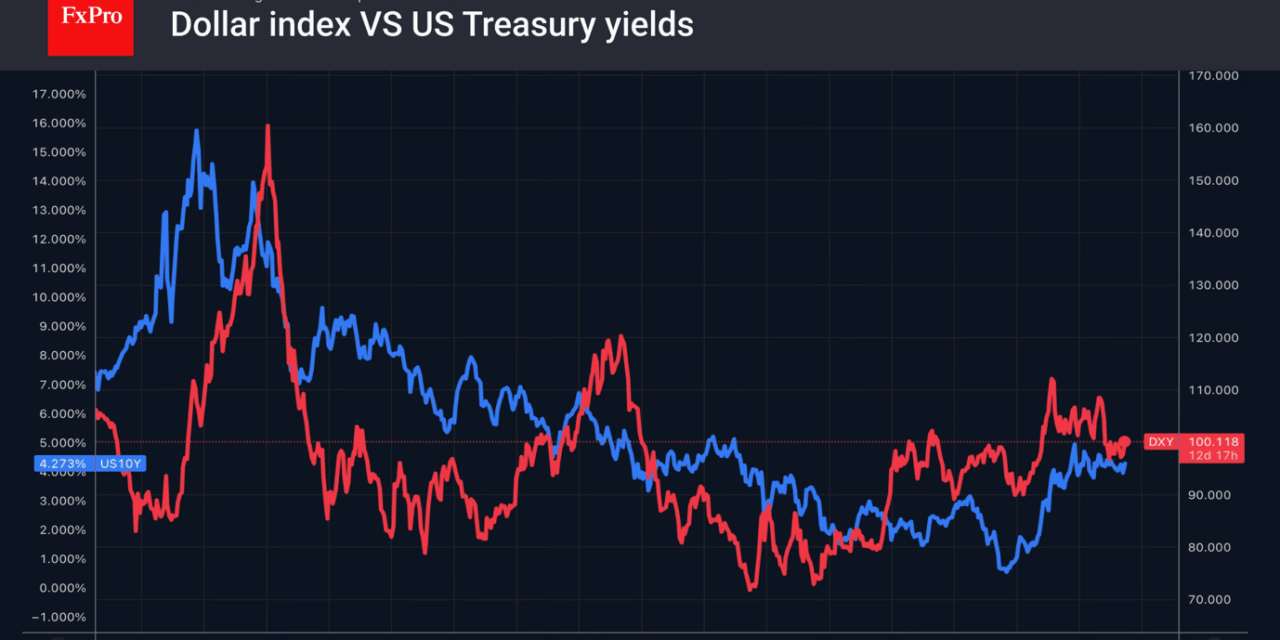
The FOMC’s upward revision of its forecast for the personal consumption expenditure price growth from 2.4% to 2.7% y/y suggests that the Fed is more likely to keep rates on hold than to cut them. The US dollar is a relatively high-yield currency. The longer borrowing costs remain at their current level, the more comfort the EURUSD bears feel.
The Bank of Japan has kept its overnight rate at 0.75%, a 30-year high. However, its previous mantra that it is ready to raise rates further if forecasts are met gave the Yen a lifeline in current conditions. If the conflict in the Middle East continues and oil prices rise further, inflation risks spiralling out of control. Such a background helped USDJPY to retreat from its recent high.
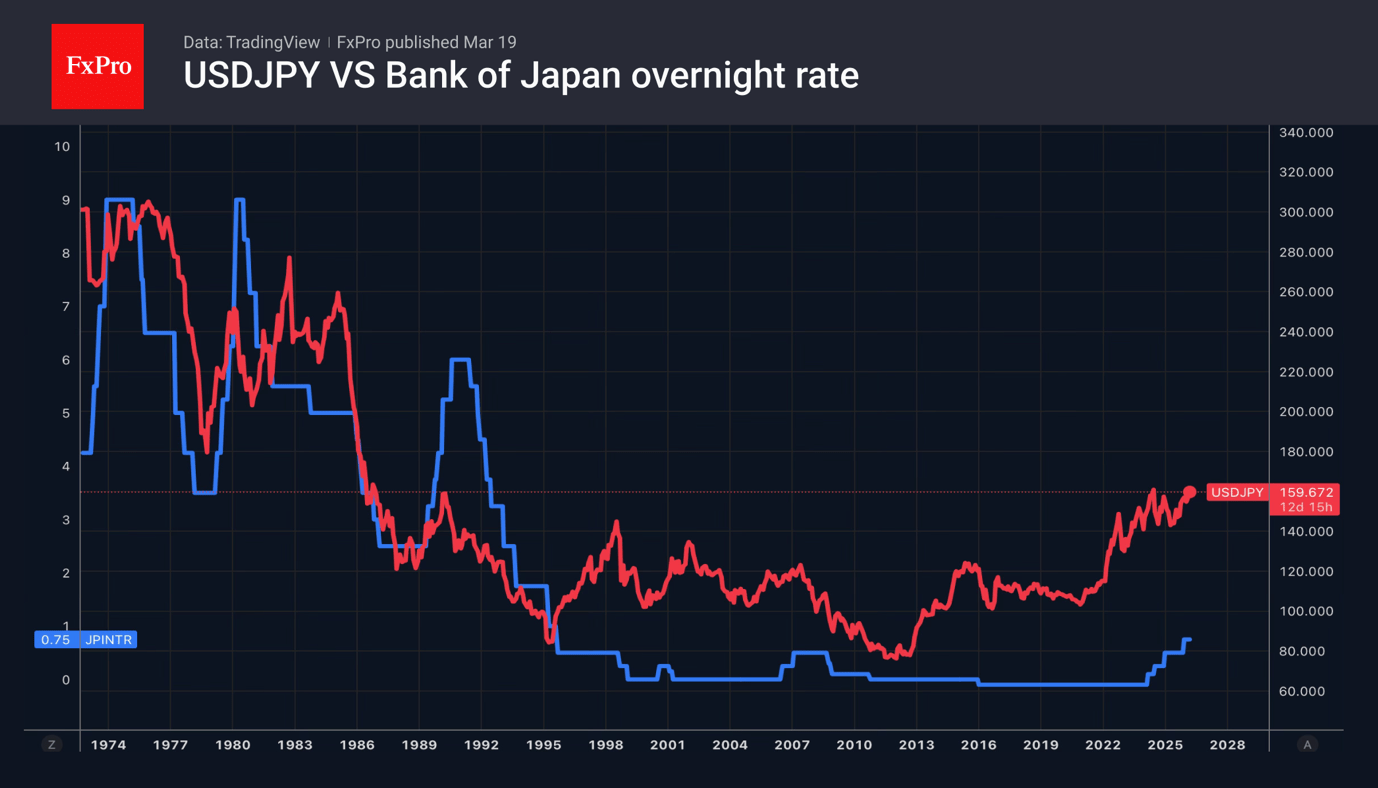
On top of this, Finance Minister Satsuki Katayama is resorting to increasingly frequent verbal interventions, saying the government is monitoring the yen’s movements with a strong sense of urgency and ready to act at any moment.

The Fed’s focus on keeping interest rates has triggered a fresh downward trend in gold prices. The precious metal does not generate interest income. Consequently, it struggles when borrowing costs remain high, and the dollar strengthens.
The FxPro Analyst Team